Sustainability

Composting Project

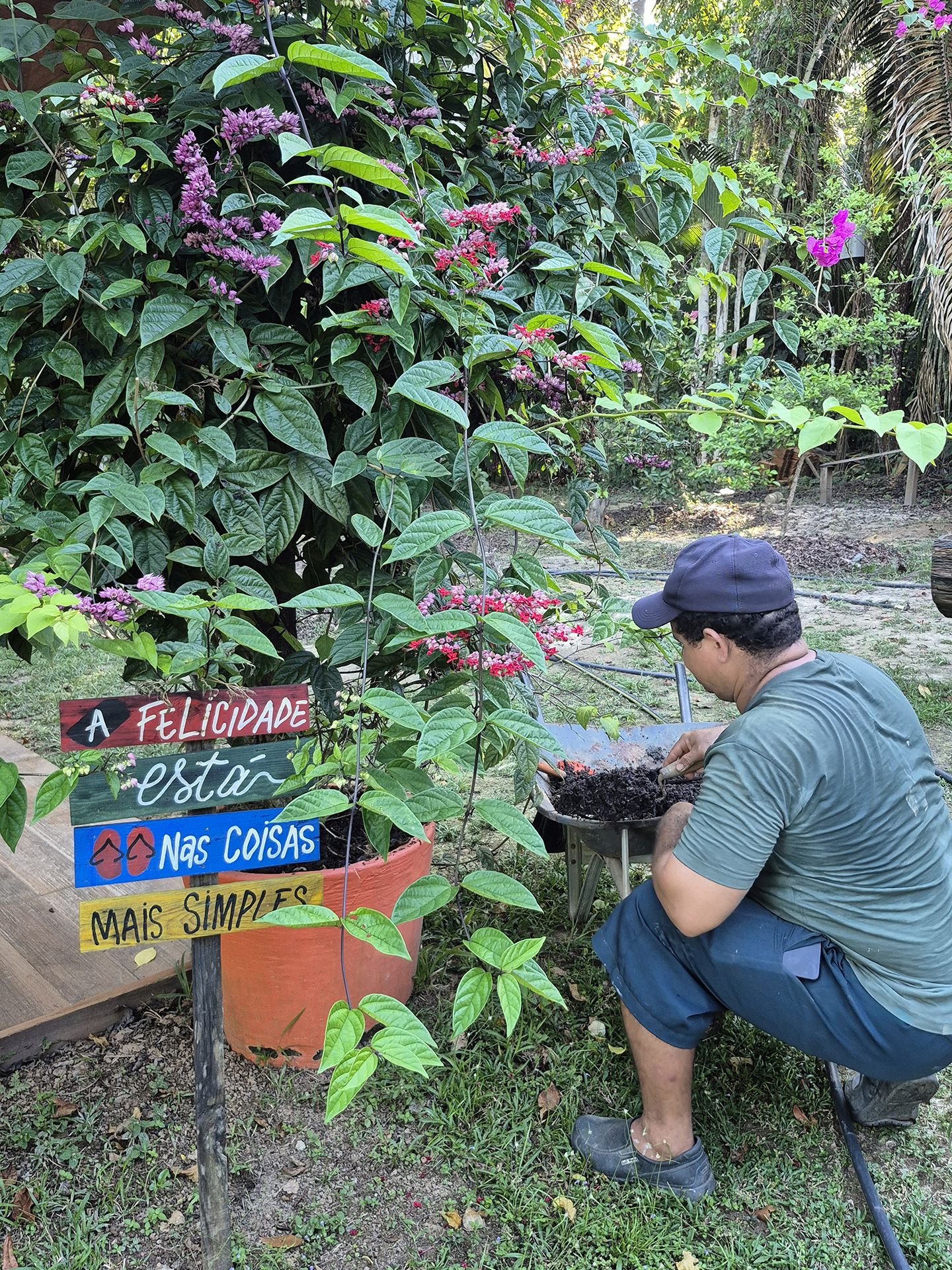
Composting at the Amazon Premium Lodge is a sustainable practice that transforms organic waste generated in the kitchen into fertilizer for the hotel’s garden. Materials such as fruit peels, vegetable scraps, eggshells, and coffee grounds are collected, stored, and later mixed with substrates like sawdust and grass.
The process takes place in a cement composting structure, where the waste is arranged in alternating layers of organic material and substrates. Over approximately 75 days, the material undergoes a controlled decomposition process with regular monitoring. During this period, important steps are carried out, such as adding limestone to reduce acidity and turning the material to improve decomposition. At the end of the process, a nutrient-rich compost is produced and used to fertilize the hotel’s plants, supporting healthy growth. Additionally, the system generates liquid fertilizer (leachate), which is collected separately. This practice reduces environmental impact, reuses waste, and maintains a sustainable cycle within the hotel.

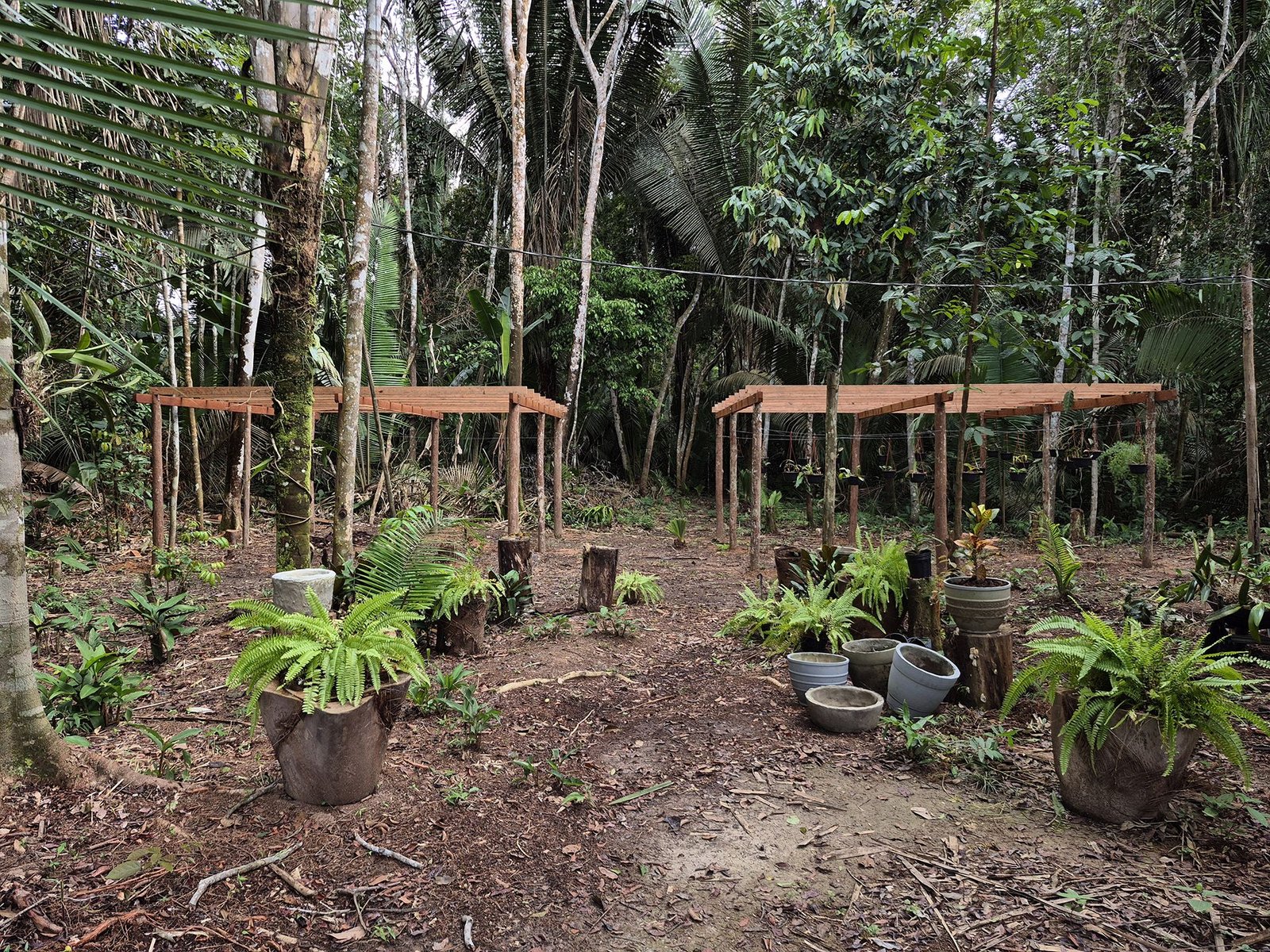
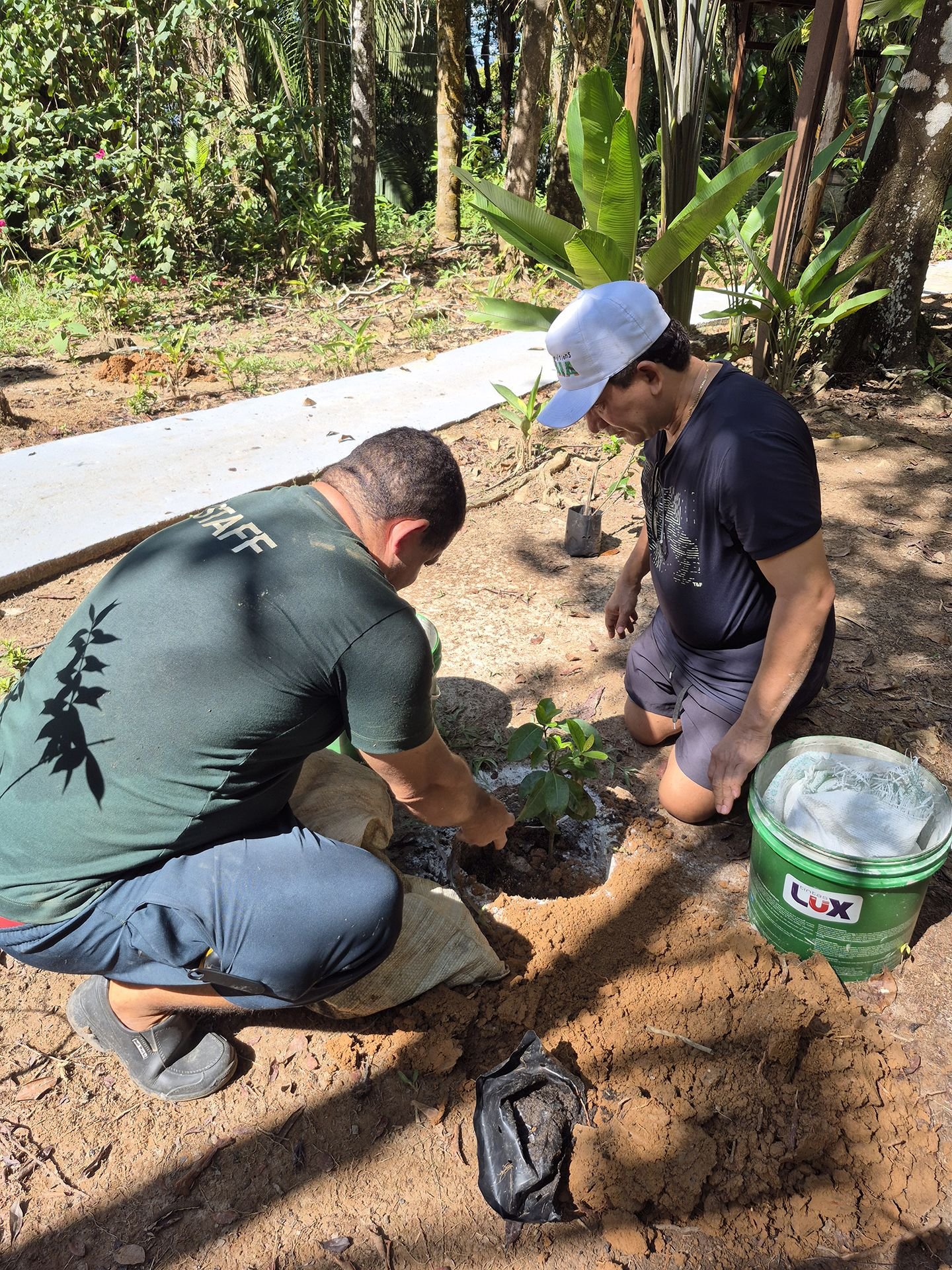
As part of the actions, gardens are created in nearby areas, such as backyards, intended for the cultivation of organic foods typical of the region. In these activities, planting techniques are taught that respect the natural cycles of the forest, avoiding negative impacts on the environment and strengthening sustainable practices in the long term.
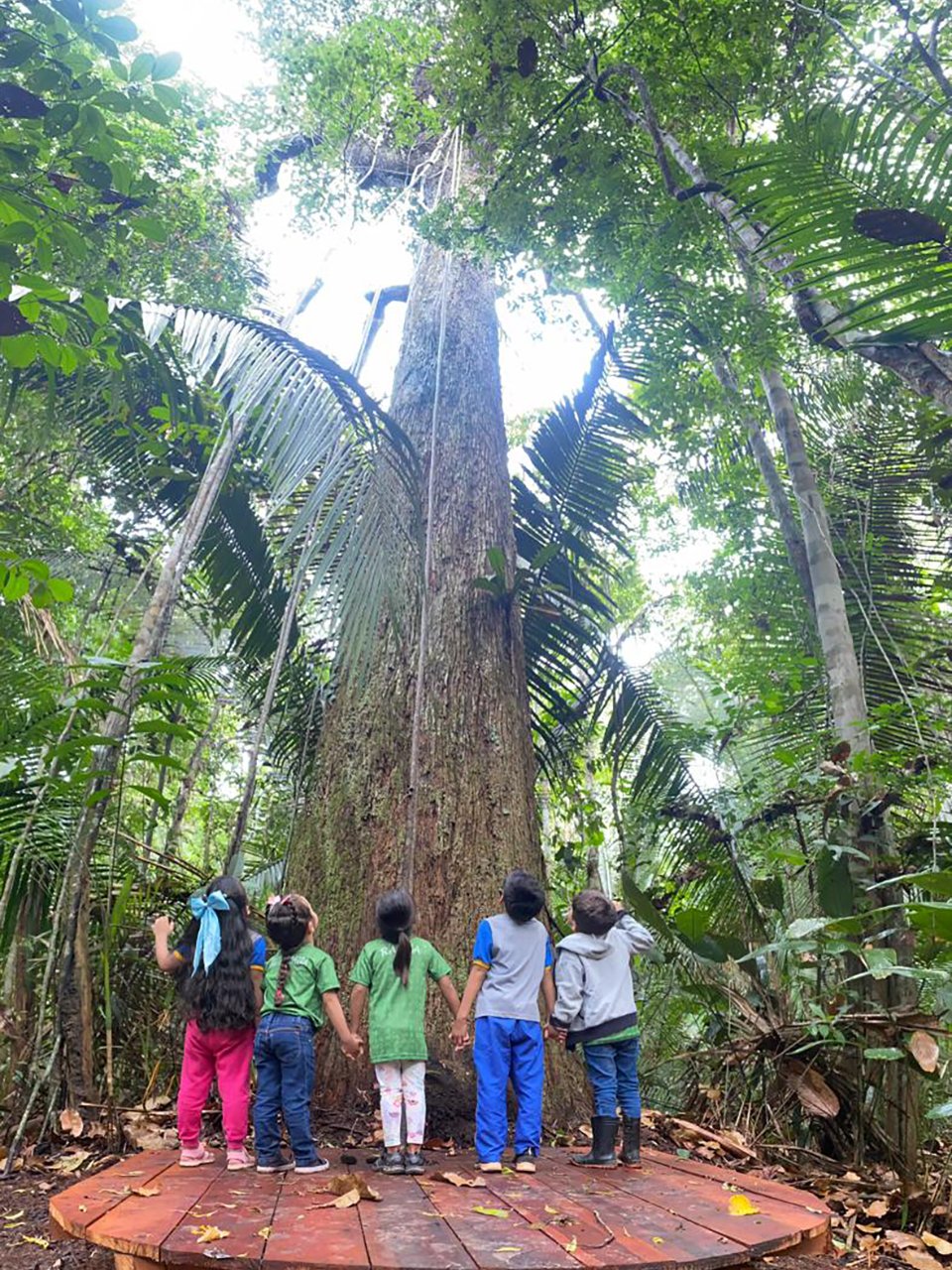
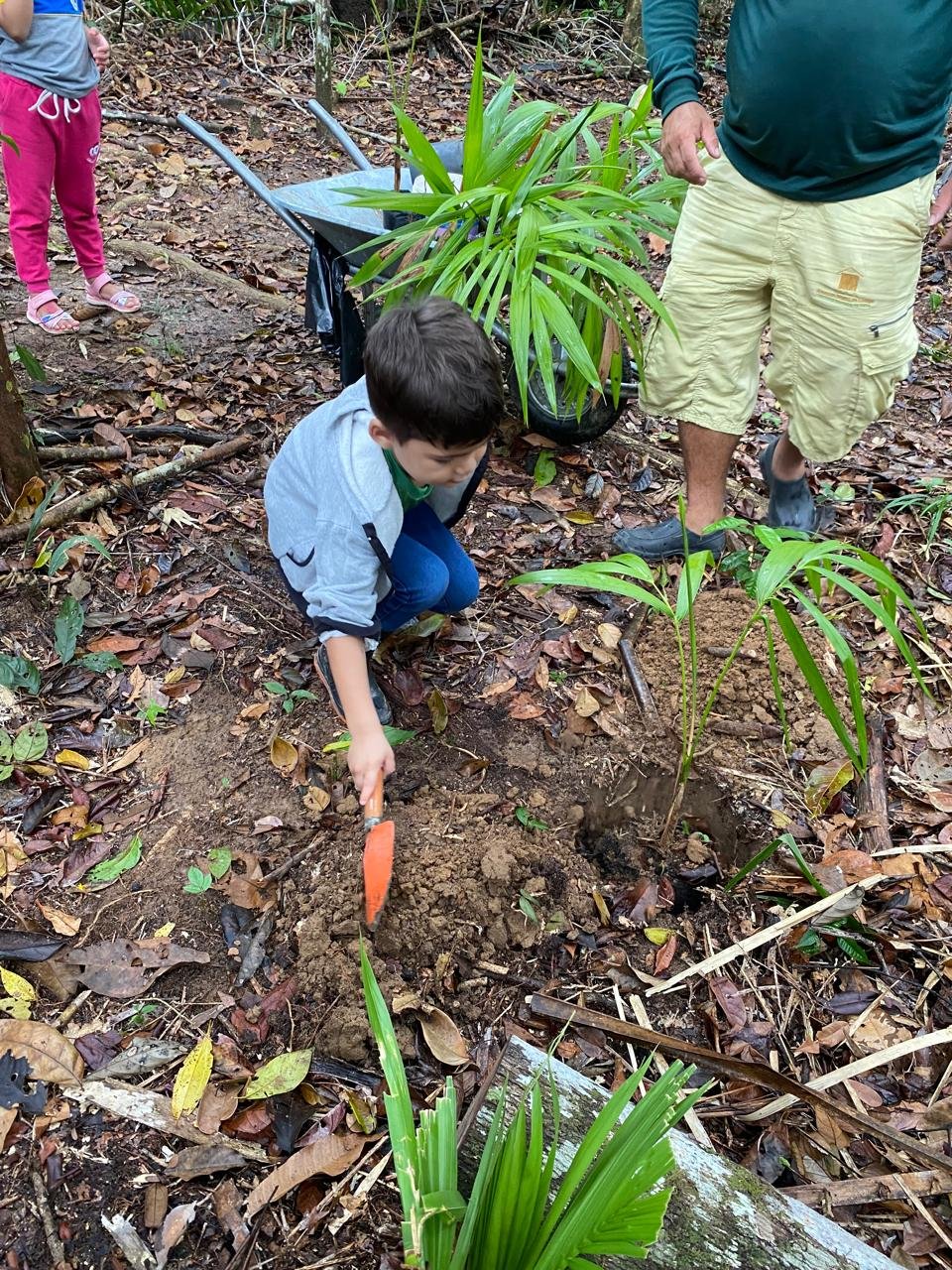
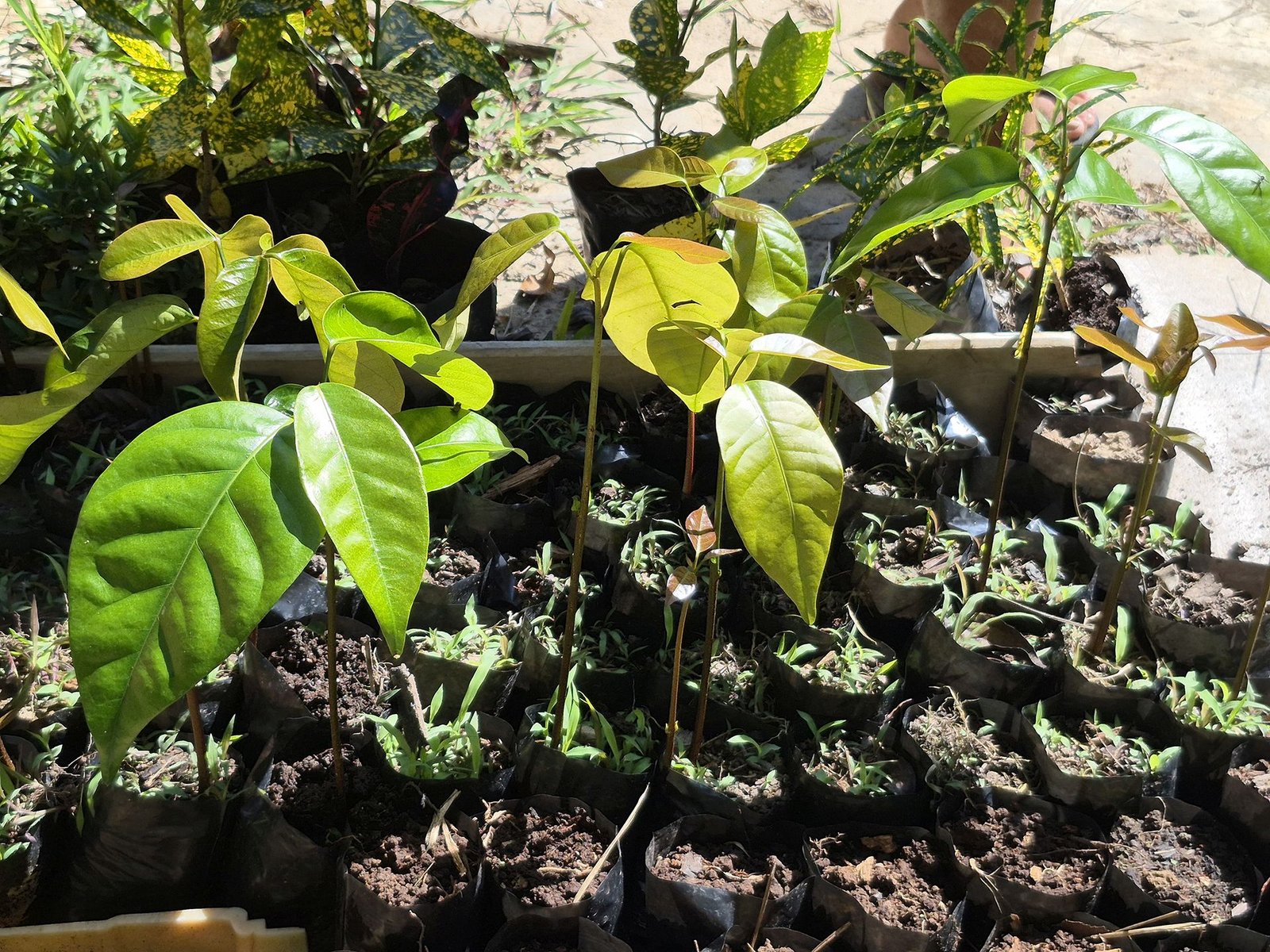
In parallel, the practice of planting seedlings is encouraged with children from the region, transforming learning into a practical and meaningful experience. During these activities, children from nearby communities have direct contact with the land, learn about the importance of native species, the balance of ecosystems, and the role of each individual in preserving the forest. This experience contributes not only to environmental education but also to strengthening the bond with the territory, awakening values of responsibility, care, and respect for nature from an early age.